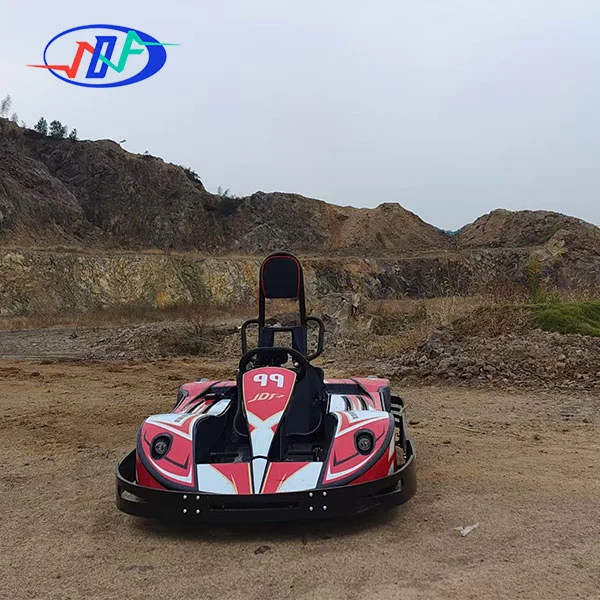
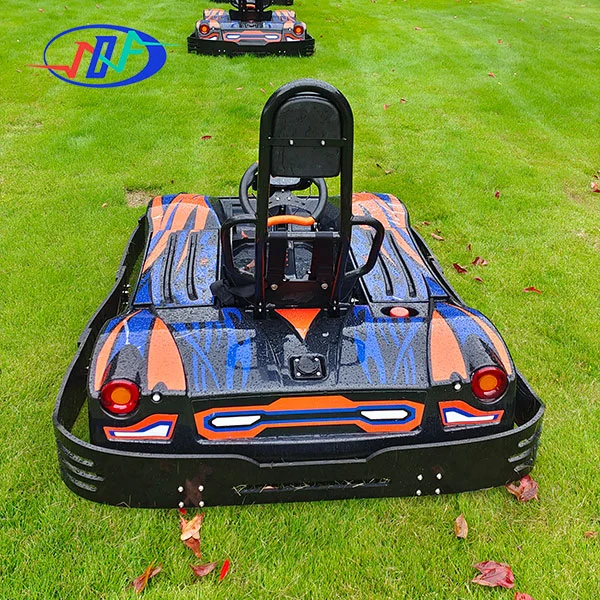
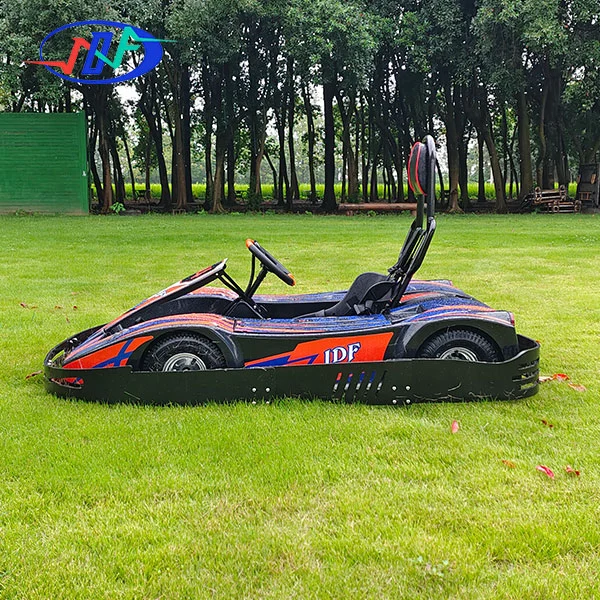
Magnesium alloy wheel go-karts are rapidly gaining popularity across professional racing circuits, rental karting tracks, and performance-focused recreational driving. Compared with traditional aluminum or steel wheel systems, magnesium alloy wheels provide lighter weight, superior heat dissipation, improved handling precision, and better acceleration performance.
This article explains how magnesium alloy wheel go-karts work, why they outperform conventional wheel systems, and how buyers can choose the right kart configuration based on performance goals, track conditions, and long-term maintenance expectations. Whether you are a karting business owner, racing team manager, distributor, or enthusiast, this guide offers practical insights to help you make informed purchasing decisions.
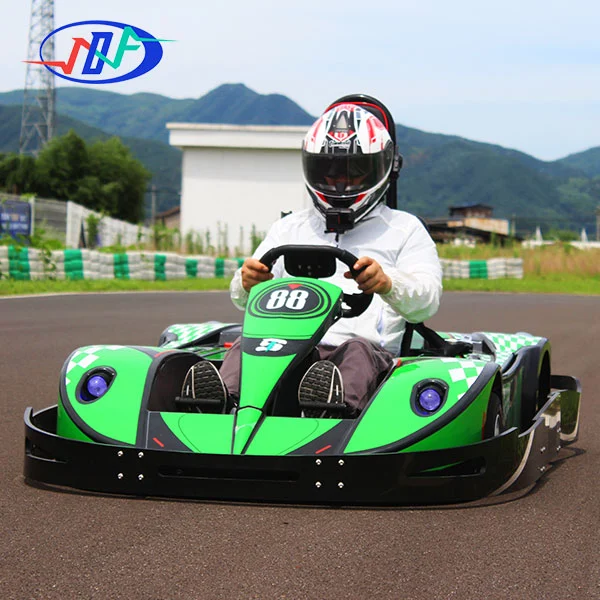
A magnesium alloy wheel go-kart is a karting vehicle equipped with wheels manufactured primarily from magnesium-based alloy materials instead of conventional steel or aluminum. Magnesium alloy wheels are widely recognized for their extremely low weight and high structural strength.
These wheels are commonly used in:
Because magnesium is significantly lighter than steel and even lighter than many aluminum alloys, kart manufacturers can reduce rotational mass dramatically. This directly affects acceleration, steering response, braking efficiency, and overall race performance.
In kart racing, every kilogram matters. Unlike passenger vehicles, go-karts rely heavily on lightweight construction to achieve competitive speed and responsive control. The wheel system is especially critical because it belongs to the rotating unsprung mass of the kart.
Reducing wheel weight delivers multiple performance improvements simultaneously:
| Performance Factor | Effect of Magnesium Wheels |
|---|---|
| Acceleration | Faster power transfer and quicker launch |
| Cornering | Sharper steering response |
| Braking | Reduced stopping distance |
| Tire Temperature | More stable thermal control |
| Handling Precision | Improved balance and agility |
Competitive racers often choose magnesium alloy wheels because even small handling improvements can determine race outcomes.
Magnesium alloy wheels are among the lightest wheel materials available for kart racing applications. Lower wheel weight reduces inertia, enabling faster steering adjustments and quicker acceleration.
Racing generates extreme heat around the tires and braking systems. Magnesium alloy dissipates heat efficiently, helping maintain tire grip consistency during long races.
Reduced rotational mass allows drivers to experience faster steering reactions. This becomes especially important on technical tracks with tight corners and rapid directional changes.
Magnesium alloy wheels also provide a premium motorsport aesthetic. Their advanced design and professional finish enhance the visual appeal of modern racing karts.
| Feature | Magnesium Alloy | Aluminum Alloy |
|---|---|---|
| Weight | Extremely light | Moderately light |
| Heat Dissipation | Excellent | Good |
| Performance Racing | Highly preferred | Common |
| Cost | Higher | Lower |
| Durability | High with proper care | Very good |
While aluminum wheels remain popular for entry-level karting, magnesium alloy wheels dominate competitive environments where performance optimization is critical.
The relationship between wheel weight and kart performance is more significant than many new buyers realize.
Heavy wheels create:
Lightweight magnesium wheels reduce rotational inertia, meaning less energy is required to spin the wheels. The engine can transfer power more efficiently, allowing the kart to accelerate faster out of corners.
Drivers often describe magnesium wheel karts as:
Tire temperature management is essential in kart racing. Excessive heat causes tire degradation, unstable grip, and inconsistent lap times.
Magnesium alloy wheels help regulate heat transfer between the tire and wheel assembly. This leads to:
Professional racing teams often monitor wheel temperature carefully because thermal management directly affects race strategy and performance consistency.
Magnesium alloy wheel technology is now used across various karting industries.
| Application | Main Benefit |
|---|---|
| Professional Racing | Maximum speed and control |
| Indoor Kart Tracks | Reduced tire wear and maintenance |
| Electric Go-Karts | Higher energy efficiency |
| Drift Karting | Enhanced maneuverability |
| Rental Kart Fleets | Improved long-term performance |
Buyers should evaluate several important factors before purchasing.
Indoor and outdoor tracks create different temperature conditions and surface friction levels. Choose wheel specifications optimized for your track type.
Professional racers often prefer ultra-light magnesium wheels for aggressive performance, while beginners may prioritize durability and stability.
Always confirm compatibility with tire size, axle configuration, braking systems, and chassis design.
High-quality protective coatings improve corrosion resistance and extend wheel lifespan, especially in humid environments.
Proper maintenance ensures magnesium alloy wheels remain safe and effective for long-term racing use.
Consistent maintenance helps maximize both performance and durability.
Many buyers focus only on appearance while overlooking technical compatibility and long-term performance requirements.
| Mistake | Potential Problem |
|---|---|
| Choosing incorrect wheel size | Poor handling and unsafe fitment |
| Ignoring coating quality | Corrosion and premature wear |
| Buying only based on price | Reduced durability and performance |
| Poor maintenance habits | Shortened wheel lifespan |
The future of kart racing technology continues to focus on lightweight engineering and advanced material science.
Emerging developments include:
Manufacturers such as Zhejiang Jindifan Technology Co., Ltd. continue investing in precision engineering solutions to meet the increasing demands of the global karting market.
Yes. High-quality magnesium alloy wheels designed specifically for kart racing offer excellent strength, stability, and reliability when properly maintained.
Magnesium alloy manufacturing involves advanced engineering processes and premium material costs, resulting in superior lightweight performance.
In many racing situations, yes. Reduced rotational mass and improved handling can contribute to faster acceleration and improved cornering efficiency.
Magnesium does not rust like steel, but improper maintenance may lead to corrosion. Protective coatings and regular cleaning help prevent damage.
Yes. Many commercial karting operators use magnesium alloy wheels to improve efficiency, reduce maintenance frequency, and enhance customer driving experience.
Magnesium alloy wheel go-karts represent one of the most important upgrades in modern kart racing technology. Their lightweight structure, excellent heat dissipation capabilities, and superior handling performance make them an ideal solution for racers and kart operators seeking competitive advantages.
As the karting industry continues evolving toward higher efficiency and advanced engineering, magnesium alloy wheel systems are expected to become even more widely adopted across professional and recreational applications.
Zhejiang Jindifan Technology Co., Ltd. is committed to delivering advanced kart wheel solutions designed for durability, performance, and racing precision. Whether you are building a competitive racing fleet or upgrading your kart components, professional magnesium alloy wheel systems can significantly improve your driving experience.
Looking for high-performance magnesium alloy wheel go-kart solutions? Contact Zhejiang Jindifan Technology Co., Ltd. today to explore premium kart racing components, customized wheel solutions, and professional manufacturing support for global distributors and racing enthusiasts.